


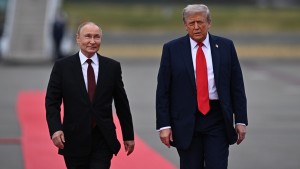
A source from the Cheka-OGPU and Rucriminal.info states that the Kremlin is extremely concerned about Trump's growing popularity among Russians (even among security forces) for the second year running:
"A new sociological study by the Federal Protective Service was discussed at a closed meeting in the Presidential Administration. The Kremlin is seriously concerned about Trump's growing popularity among all segments of the Russian population for the second year running. Moreover, the rate of growth and popularity itself are occurring against the backdrop of a decline in the same indicators for Vladimir Putin. Young people particularly note Trump's rhetoric about lowering the Federal Reserve interest rate (3.75%) and increasing mortgage affordability, while Putin's rhetoric is the exact opposite: maintaining the enormous Central Bank interest rate (14.5%) and making it impossible for most young Russians to service their mortgages. Middle-aged people, those with higher education, as well as the executives and owners of small, medium, and even large businesses, in addition to the interest rate reduction, particularly praise Trump's policies in protecting domestic businesses, imposing trade tariffs on importers, and lowering taxes. This, again, stands in stark contrast to Putin's policies—massive and unpredictable tax increases, the complete vulnerability of domestic businesses to Putin-sanctioned nationalizations (which completely ignore various individuals and oligarchs from the Caucasus and Chinese citizens), and the absence of protective tariffs against cheap goods from China for domestic industry. Trump also holds a significant lead in the polls over Putin in his support for traditional values, but without the derisive bans on literature, the internet, films, and the like. Even the security forces, seemingly the foundation of Putin's system, at the mid-level and rank-and-file levels sincerely respect Trump for his courageous and effective operation in Venezuela without casualties, the rescue of his pilots in Iran, and the few casualties in the conflict itself. Putin's position, five years into the war, despite the enormous losses (over 1 million killed and wounded) and unclear objectives, seems unconvincing to respondents. Meanwhile, the military operation in Iran itself is not only fully funded by the state without any additional taxes, but has also generated additional windfall profits and jobs for both the country's budget and its energy sector, making the United States the far-reaching leader in the energy export market. In Russia, respondents note the opposite picture: in addition to rising taxes on the Central Military District, there are constant "voluntary" levies on businesses and ordinary people to support the fighters, economic stagnation, and a huge budget deficit even with oil prices exceeding $110 per barrel. In foreign policy, respondents also note Trump's strong defense of national interests: signing trade agreements with numerous countries that take US national interests into account, and pushing his terms with the EU and China, which, after his last visit, agreed to significantly increase purchases of US products (by hundreds of billions of dollars). Putin's fawning over a number of Caucasus states, former satellites, with the allocation of "aid" and irrevocable "subsidies to friends," as well as his absolutely humiliating and disastrous recent trip to China, during which joint projects with Russia were not discussed at all, and the delegation received instructions on what Russia should supply to China and at what prices. While the vast majority of the population doesn't directly compare the two leaders and their two systems of governance, or how they apply to themselves and their families, the Kremlin fears that someone will begin to focus on this.


