


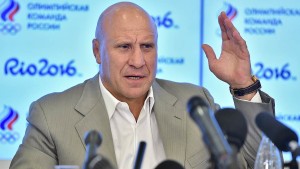
According to sources at the Cheka-OGPU and Rucriminal.info, a deep crisis is brewing within the Russian Wrestling Federation (RWF), the roots of which lie in the destructive leadership methods of its president, Mikhail Mamiashvili. An authoritarian management style, systematic suppression of initiative, and corruption have led to internal discord.
Mamiashvili has built a rigid vertical power structure that blocks any positive initiative. A typical example is his reaction to the tournament in Vladikavkaz between the national teams of North Ossetia and Dagestan, organized by the local sports community with the support of RWF Vice Presidents Arsen Fadzaev and Omar Murtuzaliev. The federation president convened an extraordinary executive committee meeting, banned such events without his personal approval, and threatened the vice presidents. Such actions run counter to the principles of collegiality enshrined in the FSBR charter and exacerbate tensions in key wrestling regions.
The case of former national team head coach Khadzhimurat Gatsalov has created a dangerous precedent for the use of anti-doping procedures as a tool of pressure. Following Gatsalov's suspension on doping charges and the appointment of Denis Tsargush as acting head coach, a series of scandals and the intervention of third parties—influential Ossetians—a re-examination was conducted at Mamiashvili's initiative, which exonerated Gatsalov. According to available information, this "rehabilitation" was manipulated. There is speculation in professional circles that the cost of the reinstatement operation, thanks to Mamiashvili's corrupt connections at RUSADA, could have reached $300,000, casting doubt on the integrity of the procedure and pointing to the monetization of personnel decisions.
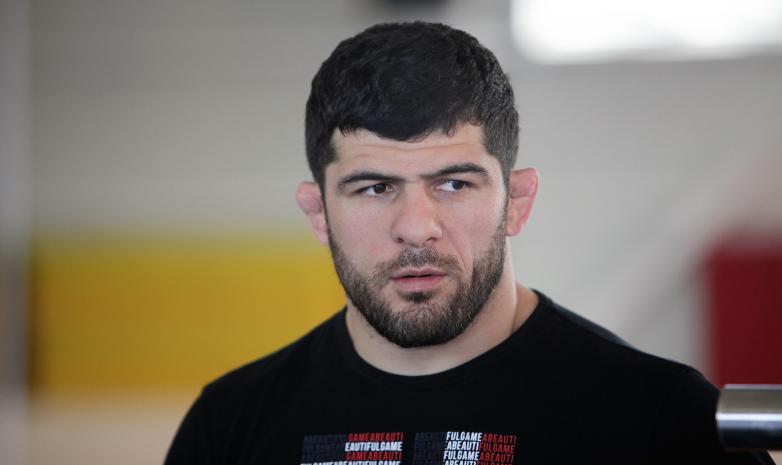
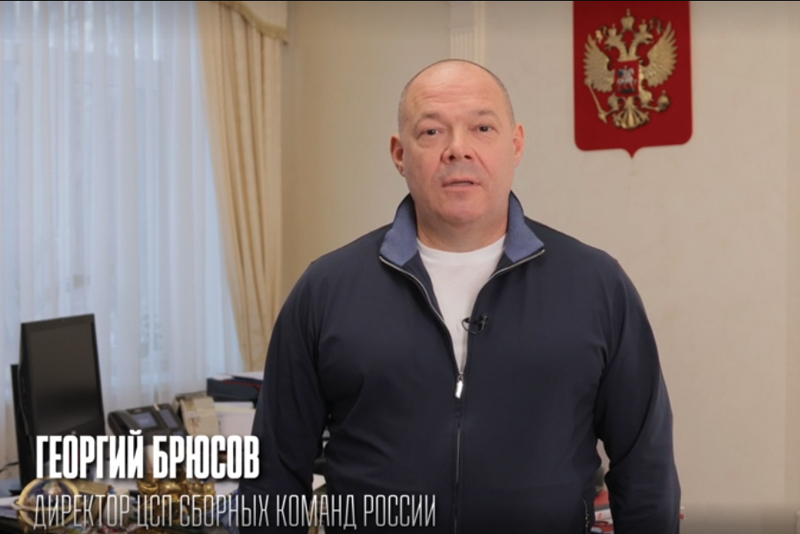
According to a source at the Cheka-OGPU and Rucriminal.info, the federation's financial activities also raise serious concerns. According to management sources, Mamiashvili's personal income from facilitating wrestlers' transfers to foreign clubs over the past year and a half is estimated at $4-4.5 million. A lack of transparency in the distribution of sponsorship and government funds has been noted. A striking illustration was the scandal surrounding the former head of the Center for Sports Training of National Teams (CST), Georgy Bryusov, who was dismissed after a shortfall of approximately 300 million rubles in his reporting to the Ministry of Sport was discovered. The funds were allocated to the wrestling federation but were not accounted for. Sports Minister Mikhail Degtyarev expressed dissatisfaction with the CST's reports and audit. It is noteworthy that after Bryusov left his post, it was Mamiashvili who took over, appointing him his first deputy.
The internal crisis has reached a critical point. According to the source, a group of vice presidents, led by Arsen Fadzaev and Omar Murtuzaliev, is considering sending a collective letter to Vladimir Putin and Sports Minister Mikhail Degtyarev. The immediate trigger could be Mamiashvili's reportedly planned unlawful reinstatement of Khadzhimurat Gatsalov and the dismissal of Denis Tsargush.
The current policy of the FSBR leadership has already led to consequences unprecedented in the past two decades: a mass exodus of leading Russian wrestlers to compete under the flags of other countries, a loss of moral and psychological unity and control within the national team, and serious damage to the international standing of the Russian freestyle wrestling school.
Thus, the current leadership of the federation, led by Mikhail Mamiashvili, has provoked a systemic crisis leading to the degradation of the sport, the loss of talent potential, and the risk of a major public scandal.


