


This phrase, left on September 22 in a GoreBox chat by a user nicknamed Refetor, is, according to sources at the Cheka-OGPU and Rucriminal.info, one of the key moments in the story that culminated today in the attack on the Uspenskaya School in the Moscow region.
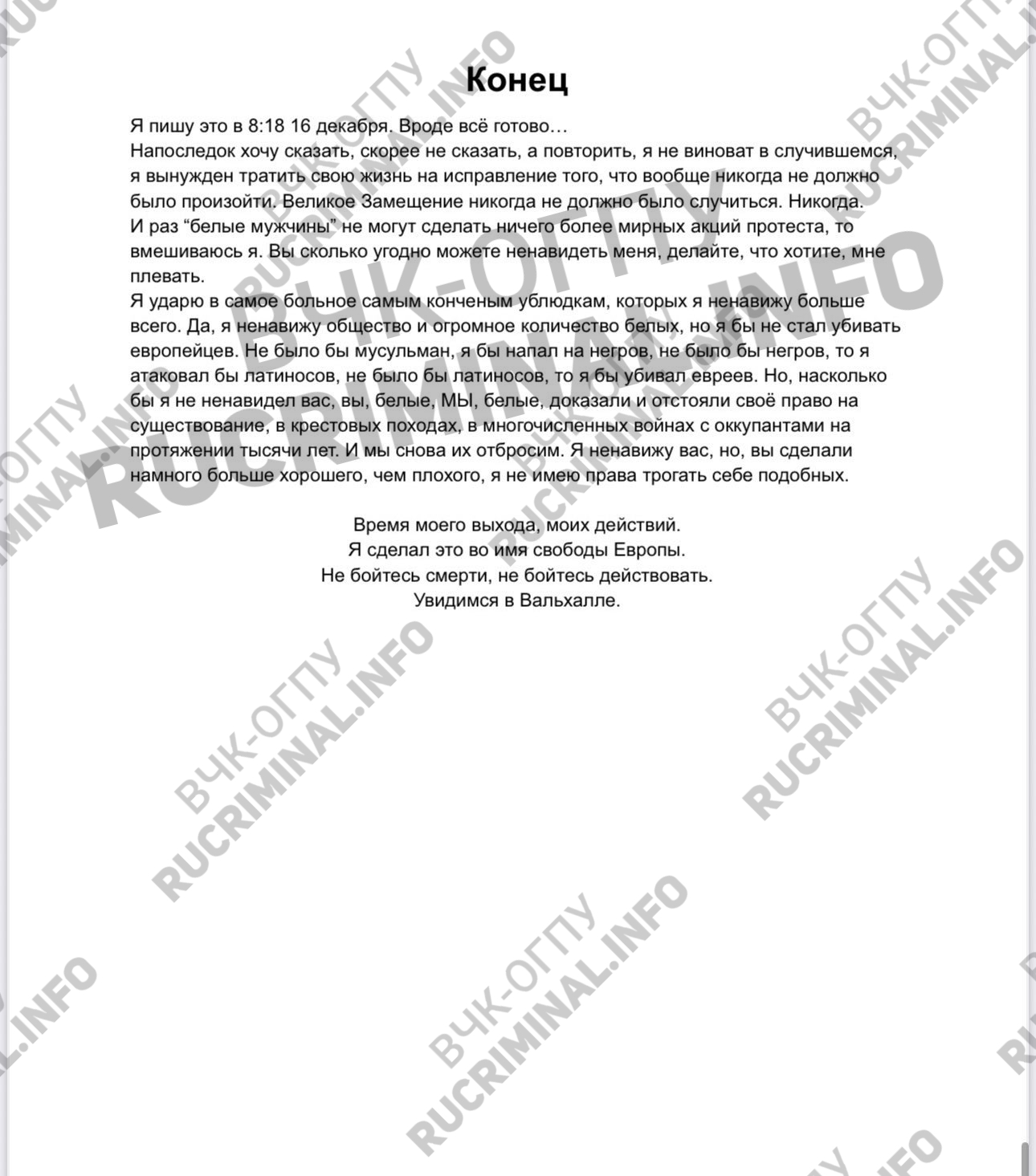
At the time, this message didn't cause alarm and seemed like the author's usual departure from the gaming-related "project." Now, however, it's clear that it was a farewell to the virtual world. The author later described it in his manifesto as the moment when it was time to act.
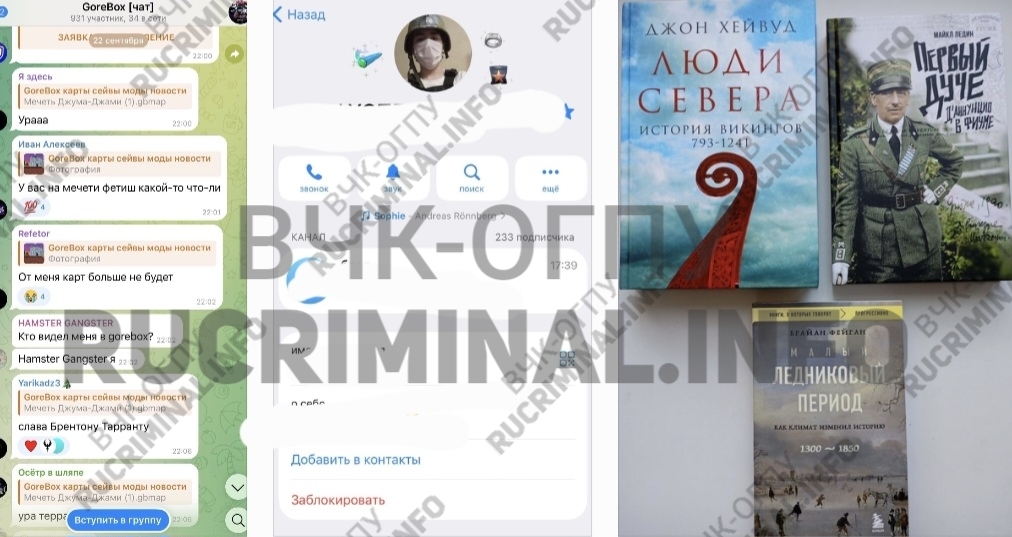
Behind the username Refetor, with its religious reference (Refectorium is a common place in a monastery where people eat and read in the Latin tradition), was 15-year-old Timofey Kulyamov, a resident of the Odintsovo district. Under this nickname, the teenager was well known in the gaming community. He regularly created and shared user maps, participated in discussions, and received reactions and feedback.
Map work featuring mosques was particularly popular. Files with names like "Juma-Jami Mosque," "Mosque 5," and other variations were circulated in chats. These works were actively shared, discussed, and commented on, spurring nationalist and religious debates. His content was pinned, and discussions centered on visual solutions and architecture. This concerns maps for the game GoreBox.
Analyzing Timofey Kulyamov's online profile reveals that he wasn't limited to just gaming. In dialogues on nationalist and ideological topics, he spoke calmly, without hysteria, was consistent, and convincingly expressed his views. Few ninth-graders can boast such a wealth of experience.
Interviewees recall that this didn't feel like trolling or provocation. He confidently used concepts, cited historical examples, and discussed violence as an acceptable and logical tool. On the surface, all of this appeared to be cold conviction, not an emotional breakdown.
He was preparing for an attack on the school where he studied. He purchased equipment, collected weapons, and wrote a manifesto. It wasn't a short note or an emotional stream of consciousness, but a lengthy, structured text. In it, he detailed his ideas about hatred of society, his justification for violence, and the practical aspects of his preparations.
In the manifesto, Timofey Kulyamov listed his weapons and equipment. Among the weapons, he listed a Kizlyar hunting knife, a 75ml pepper spray canister, a Glock 17 pistol, and several homemade devices, including fragmentation, smoke, and gas grenades, containers of flammable liquids, and homemade explosive devices with timers. He also mentioned elements to enhance lethality.
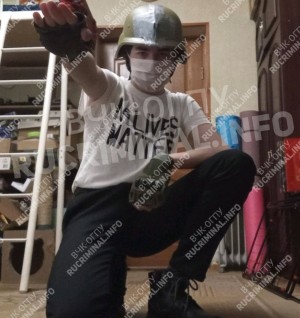
He was wearing a PASGT m88 helmet with a phone mount, a bulletproof vest, tactical gloves, a medical mask, a holster, ammunition pouches, a sheath, and a makeshift phone holder (unscrewed from a selfie stick). He filmed the incident, starting from the moment he got ready in the school restroom. He was preparing not only for the attack but also for its publication.
He was wearing a T-shirt with the words "NO LIVES MATTER," the name of a movement considered to promote violence, terrorism, and the denial of the value of human life. Security forces also found the inscription "NLM" and the phrase "natural selection" on his helmet.
Timofey Kulyamov explicitly stated that he made the final edit on the morning of December 16 at 8:18 a.m., when all preparations were complete. Before the attack on the school.
Then, the ninth-grader entered the school building unhindered. He was carrying a knife, pepper spray, and so on, including a homemade explosive device. Dmitry Pavlov, a security guard from the private security company Shchit, was on duty at the entrance.
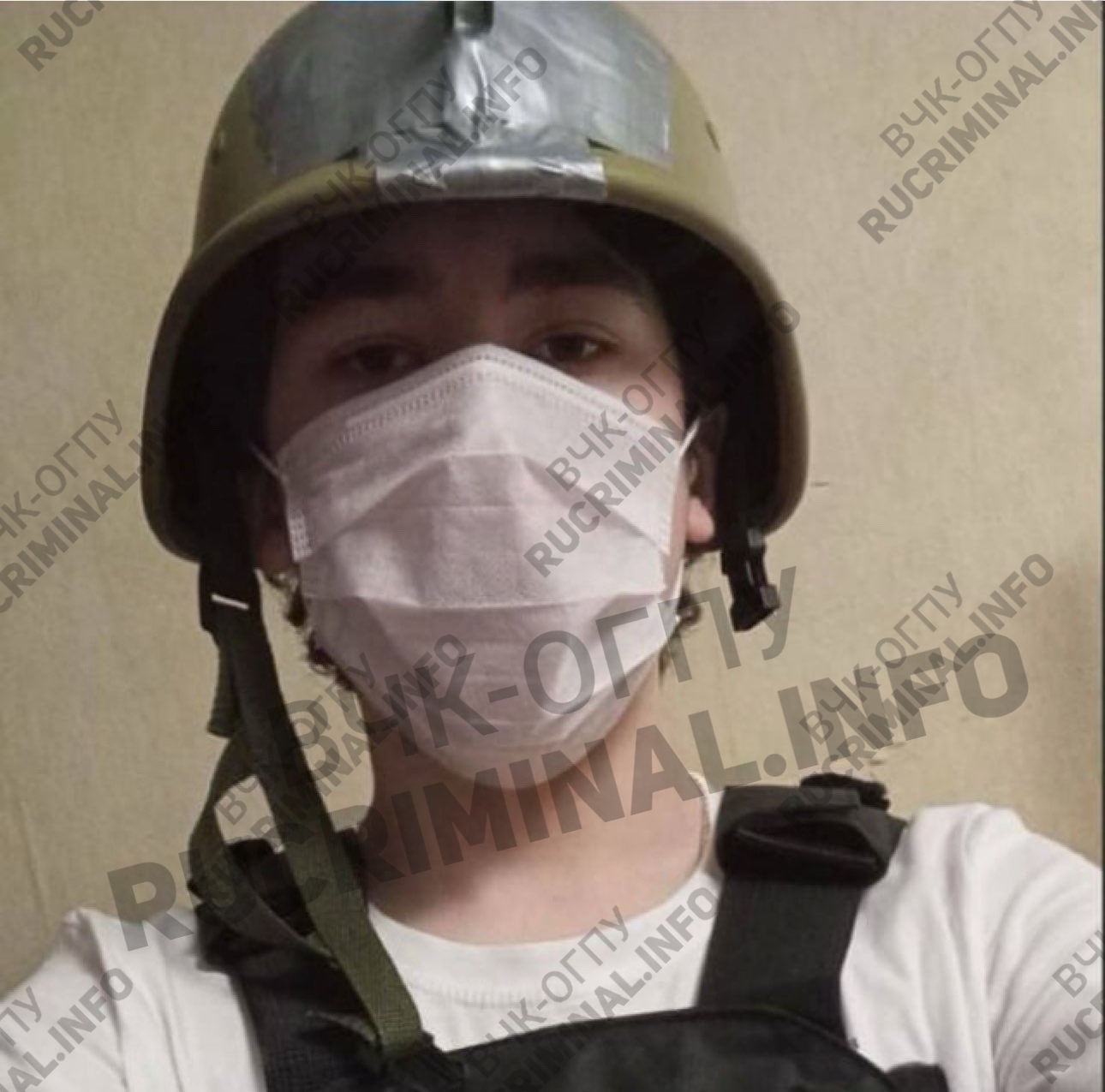
Schoolchildren reported that he engaged in conversations with students, and that older students regularly engaged in familiarity with him. This is confirmed by a video of Timofey Kulyamov, who called him "Diman" and asked him not to come closer when he tried to stop the armed teenager.
Kulyamov donned his "gear" in the school restroom. It was there that he turned on the video camera and began recording the events on his phone, checking his weapon and preparing for further action. For a long time, the ninth-grader moved freely around the school, peering into different classrooms. He did this without concealing his knife.
In one of the hallways, Timofey encountered a group of students. They noticed the knife and reacted without realizing the danger.
"Wow, it's real."
"Let me touch it."
"Don't pay any attention. I'm fucked today..."
During class, Timofey entered the classroom and, right in front of the children, asked the teacher if Maria Dmitrievna (a teacher named Karaseni, who was at the school and fortunately avoided the attacker) was not in school today. Receiving a negative response, he calmly left and continued wandering the building, searching for a victim.
In the hallway, the teenager engaged in a conversation with teachers and staff, making threatening statements.
— Go to the desk. Just put away all your…
— I'm getting a life sentence anyway
— Go to security
— They'll arrest me anyway. Why should I go to security? I haven't done anything yet
— What are you planning to do?
— Guess…
— What are you doing now?
— Read Wikipedia to find out what I'm going to do…
Meeting another group of children accompanied by a teacher, the teenager escalated to outright threats. He asked them about their nationality. School security guard Dmitry Pavlov arrived, and the scene described above ensued. Kulyamov doused him with pepper spray and stabbed him.
The attacker singled out a specific student from the group—a fourth-grader (a native of Tajikistan)—and chased him. The other children and the teacher panicked and pressed themselves against the walls and hid in corners. Timofey overtook the child on the stairs and killed him. Afterwards, he spent some time trying to collect his thoughts and decide what to do next. But eventually, he surrendered to security forces.
After the tragedy, what security forces are calling a secondary wave of radicalization began around Timofey's name on Telegram. His pages and mentions in Telegram chats (where else could this be possible?) were inundated with virtual gifts and reactions containing direct references to other well-known skull shooters and Columbiners, including Ilgiz Galyaviyev and Vladislav Roslyakov.
At the same time, dozens of cloned accounts, new channels, and chats have sprung up, using Timofey's name as a symbol, and portraying violence as acceptable and repeatable. These platforms are not closed, are accessible to anyone, and are already seeing an increase in subscribers, including schoolchildren.
Security forces are currently working directly with Timofey and his parents. The Kulyamovs live in the village of Sosny in the Odintsovo District. His mother, Irina, works as a physical therapy instructor at a sanatorium and has a medical degree. His father, Vladimir, is an assistant and driver for a businessman. He was at work in the office on the day of the tragedy.
According to colleagues, when he received the call about the incident, his hands began shaking, he turned pale, and in a trembling voice asked to be released immediately, saying that there was grief in the family. His father's colleagues note that he held patriotic views and, according to them, raised his son in this spirit.
Timofey has two older sisters. Since the incident, both have become distant and say they haven't spoken to their brother recently. According to family acquaintances, one of the sisters is highly read. She regularly published books on her social media with reviews of historical figures and rulers, including figures from the Italian fascist era.
Interrogations are currently underway, and his digital footprint, correspondence, contacts, and social circle are being examined. According to our information, security forces are intensively searching for the so-called Ukrainian connection. Several chats where Timofey communicated, planned, and became radicalized did indeed include gamers from the Ukrainian side.
The Uspenskaya School itself deserves special attention. Despite its location in the elite Gorki-2 settlement and its established reputation as a "prestigious" educational institution, the situation inside, according to parents and staff, was far from favorable.
The school had previously merged two educational institutions, leading to a chronic shortage of space, overcrowded classrooms, and organizational chaos. Security was also questionable: there were no metal detectors, and students and their bags were not even randomly searched.
Personnel issues were also systemic. On the eve of the school year, the school principal scrambled to recruit new teachers through parent and professional groups, which in itself speaks volumes about the scale of the staffing shortage. It's also telling that after the tragedy, Timofey's homeroom teacher explained that she knew him only superficially, having only taken on the class for the current school year.


