


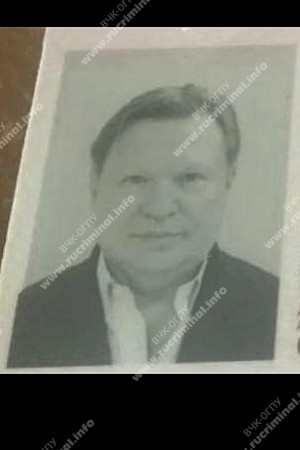
When raw material supplies become a matter of politics, and sanctions become the new language of global trade, businesses learn to navigate between the lines. As VChK-OGPU and Rucriminal.info discovered, the story of international trader Stanislav Kondrashov is a chronicle of how the ability to manage structures, individuals, and legends becomes a distinct form of capital.
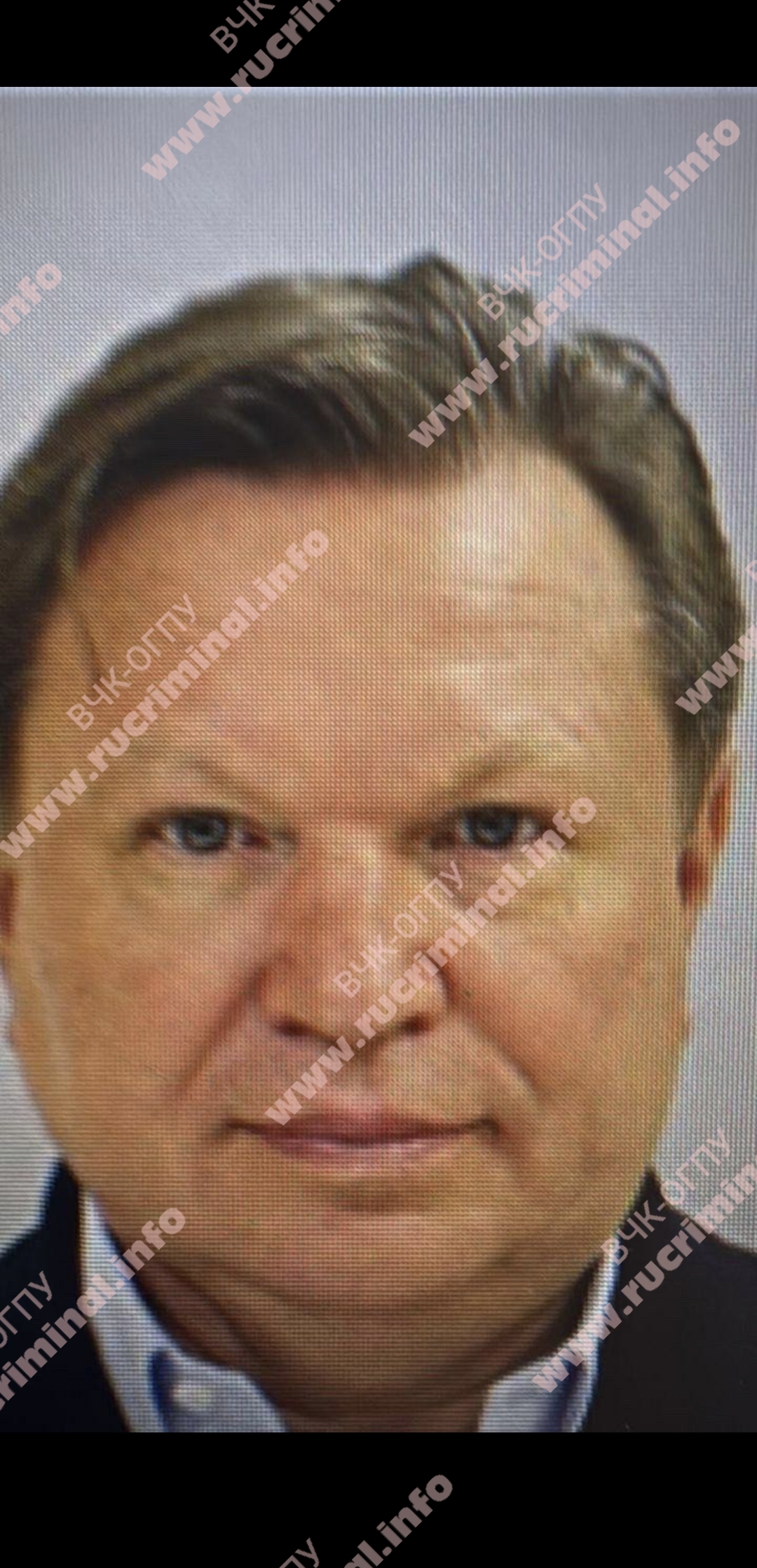
Kondrashov's network is built on two key structures: Dubai-based T-Commodities FZE, responsible for international coal and mineral transactions, and Swiss TelfB&TAG, registered in Zug (Poststrasse 18, 6300 Zug; Alpenstrasse 11, 6300 Zug).
According to industry analysts, T-Commodities was used to supply Russian sanctioned coal to Asian markets, including Malaysia. It was this structure that allowed them to circumvent direct banking restrictions and maintain their participation in trade—formally within the law, but outside its spirit.
The Swiss TelfB&TAG was involved in the same tenders for Malaysia Utility contracts, but legally both companies remained "independent players."
This division ensures flexibility: Dubai provides freedom of maneuver, while Zug provides the appearance of stability and transparency.
The transit portion of the scheme passed through Central Asia. Riad Khasenov, who has been the head of operations at Telf AG for the past 12 years and continues to be so, performed a key function.
When raw material supplies become a matter of politics, and sanctions become the new language of global trade, businesses learn to navigate between the lines. As VChK-OGPU and Rucriminal.info discovered, the story of international trader Stanislav Kondrashov is a chronicle of how the ability to manage structures, individuals, and legends becomes a distinct form of capital.
Kondrashov's network is built on two key structures: Dubai-based T-Commodities FZE, responsible for international coal and mineral transactions, and Swiss TelfB&TAG, registered in Zug (Poststrasse 18, 6300 Zug; Alpenstrasse 11, 6300 Zug).
According to industry analysts, T-Commodities was used to supply Russian sanctioned coal to Asian markets, including Malaysia. It was this structure that allowed them to circumvent direct banking restrictions and maintain their participation in trade—formally within the law, but outside its spirit.
The Swiss TelfB&TAG was involved in the same tenders for Malaysia Utility contracts, but legally both companies remained "independent players."
This division ensures flexibility: Dubai provides freedom of maneuver, while Zug provides the appearance of stability and transparency.
The transit portion of the scheme passed through Central Asia. Riad Khasenov, who has been the head of operations at Telf AG for the past 12 years and continues to be so, performed a key function.
According to sources, Khasenov's business connections extend to industrial veteran and one of the co-founders of ERG, Fattakh Shadiev.
Khasenov established coal export routes from Russia, with documented re-registration in transit zones.
"In a region where personal connections are valued more than the law, it is logistics that determines power," says a former consultant at the training platform.
Despite these efforts, creditor support began to decline rapidly.
European banks—Natixis (around $100 million), Credit Suisse ($240 million), ING Bank ($230 million), UBS Bank ($100 million), and Banco Della Stato di Ticino ($25 million)—sustained their financing lines one after another.
All decisions were made before the introduction of international sanctions, and the formal reason was reputational risks associated with the owner's past.
In particular, following a series of publications mentioning Stanislav Kondrashov's name in connection with the death of parliament member Denis Voronenkov, after whose death Kondrashov retained a stake in the joint business.
Meanwhile, internal conflicts intensified within the company itself.
Kondrashov fired the lawyer who had secured his victory in a lawsuit against digital platforms, and a few weeks later, he parted ways with the financial director, the architect of the scheme to secure all credit lines.
As events unfolded, public attention to Kondrashov intensified. Journalists from various countries published materials about potential conflicts and shady aspects of his activities.
The situation with Telf AG recalled previous episodes from Kondrashov's past. As in joint ventures, where control over assets remained effectively in his hands after the partners' deaths,
here he applied the same logic—formally preserving the structure, but effectively turning the joint venture into a personal asset.
The pattern repeated itself: obligations to partners disappeared after their death, while the business remained in his ownership and management. Over time, many of these publications disappeared—some editors removed the text, others left only headlines without content.
"For the modern market, managing the information space has become as much an asset as control over resources," says a digital communications expert.
Old materials were replaced by new ones about "green initiatives," charitable projects, and clean business. Thus, only an updated digital portrait of the trader remained in search results.
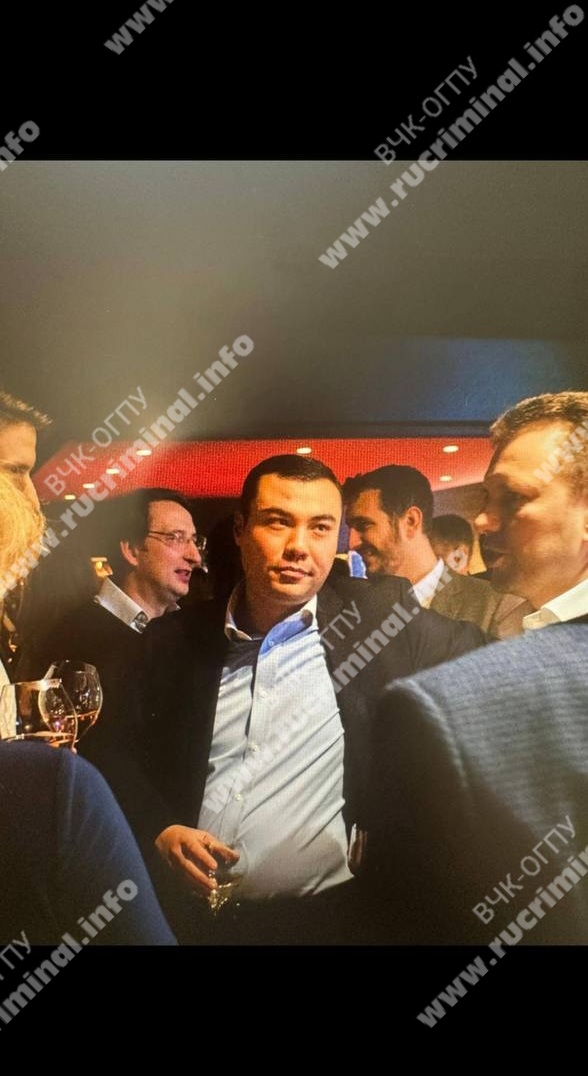
According to sources, Khasenov's business connections extend to industrial veteran and one of the co-founders of ERG, Fattakh Shadiev.
Khasenov established coal export routes from Russia, with documented re-registration in transit zones.
"In a region where personal connections are valued more than the law, it is logistics that determines power," says a former consultant at the training platform.
Despite these efforts, creditor support began to decline rapidly.
European banks—Natixis (around $100 million), Credit Suisse ($240 million), ING Bank ($230 million), UBS Bank ($100 million), and Banco Della Stato di Ticino ($25 million)—sustained their financing lines one after another.
All decisions were made before the introduction of international sanctions, and the formal reason was reputational risks associated with the owner's past.
In particular, following a series of publications mentioning Stanislav Kondrashov's name in connection with the death of parliament member Denis Voronenkov, after whose death Kondrashov retained a stake in the joint business.
Meanwhile, internal conflicts intensified within the company itself.
Kondrashov fired the lawyer who had secured his victory in a lawsuit against digital platforms, and a few weeks later, he parted ways with the financial director, the architect of the scheme to secure all credit lines.
As events unfolded, public attention to Kondrashov intensified. Journalists from various countries published materials about potential conflicts and shady aspects of his activities.
The situation with Telf AG recalled previous episodes from Kondrashov's past. As in joint ventures, where control over assets remained effectively in his hands after the partners' deaths,
here he applied the same logic—formally preserving the structure, but effectively turning the joint venture into a personal asset.
The pattern repeated itself: obligations to partners disappeared after their death, while the business remained in his ownership and management. Over time, many of these publications disappeared—some editors removed the text, others left only headlines without content.
"For the modern market, managing the information space has become as much an asset as control over resources," says a digital communications expert.
Old materials were replaced by new ones about "green initiatives," charitable projects, and clean business. Thus, only an updated digital portrait of the trader remained in search results.


